
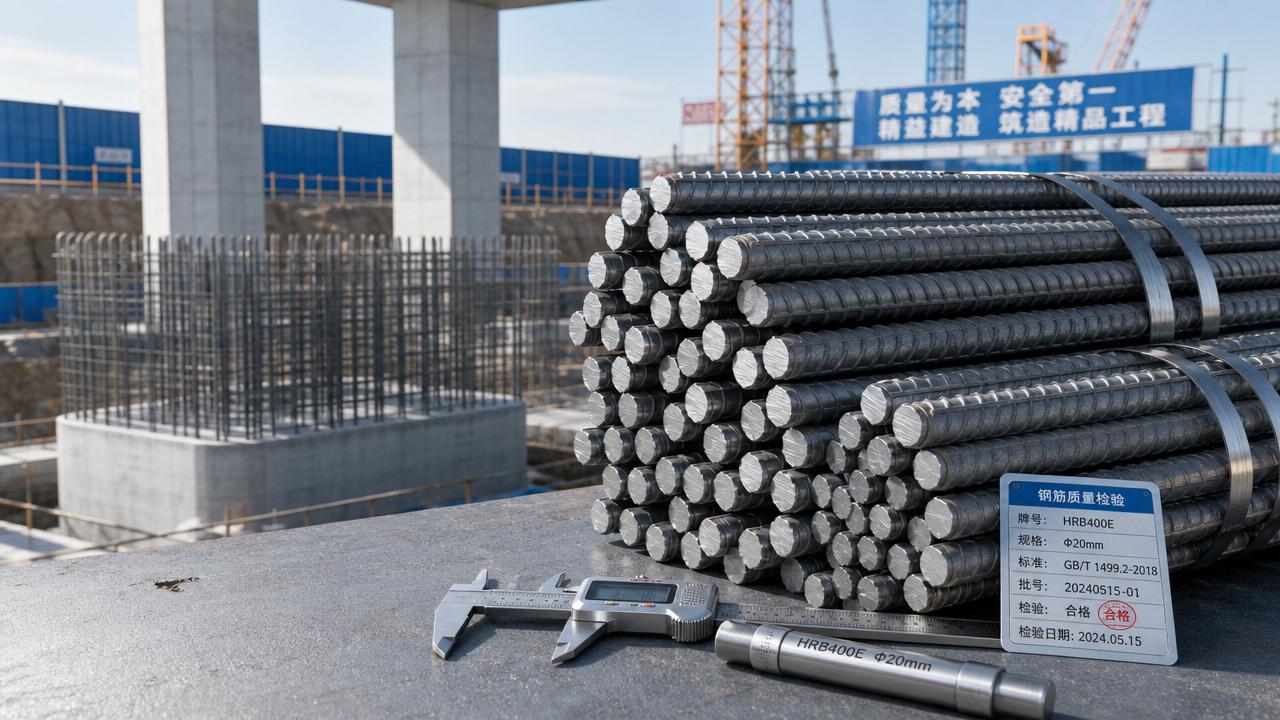
Choosing the right steel rebar grade is a critical decision that affects structural safety, project cost, construction efficiency, and long-term durability. For project managers and engineering leaders, understanding the differences between common rebar grades helps reduce procurement risks, meet design specifications, and ensure reliable performance on site. This guide explains key steel rebar grades, their typical applications, and practical selection factors to help you match the right material to your project requirements with greater confidence.
Why Steel Rebar Grade Selection Matters Before Procurement
Steel rebar is not only a reinforcement material. It is a risk control point that connects design, budget, delivery, inspection, and construction quality.
A project may use thousands of tons of steel rebar. Small differences in grade, diameter, ductility, or coating can influence safety margins and total cost.
Project risks caused by wrong grade decisions
- Structural risk appears when yield strength, elongation, or bend performance does not match the engineering design requirement.
- Procurement risk increases when purchase specifications only mention diameter but ignore grade, standard, surface condition, and test documents.
- Schedule risk occurs when a project needs urgent delivery but the selected steel rebar grade has limited local stock availability.
- Cost risk grows when buyers choose a higher grade without checking whether the design actually requires that performance level.
For project managers, the best decision is not always the strongest steel rebar. It is the grade that satisfies design, code, environment, and delivery requirements.
Common Steel Rebar Grades and What They Mean on Site
Steel rebar grades are usually defined by yield strength and applicable standards. Names vary by market, but the engineering logic remains similar.
The following table helps compare typical steel rebar grades used in international construction, infrastructure, industrial buildings, and foundation work.
These references should not replace project drawings or local codes. They help buyers discuss steel rebar requirements more clearly with engineers and suppliers.
When documents mention ASTM, BS, GOST, GB, or other standards, confirm the exact grade rather than assuming direct equivalence between names.
Which Steel Rebar Grade Fits Different Project Scenarios?
Application scenario is often the fastest way to narrow grade options. Load, exposure, seismic demand, and constructability should guide the decision.
Residential and commercial buildings
For standard buildings, Grade 60 or HRB400-type steel rebar is commonly selected because it balances strength, supply availability, and installation familiarity.
Project leaders should still verify bar diameters, lap length assumptions, and bending schedules because these factors affect fabrication efficiency.
Bridges, roads, and infrastructure
Infrastructure projects often require tighter control over strength, fatigue resistance, corrosion protection, and documentation. Steel rebar traceability becomes especially important.
If the structure is exposed to deicing salts, marine air, or aggressive soil, epoxy-coated, galvanized, or stainless options may be considered.
Industrial plants and heavy foundations
Industrial projects can involve vibration, concentrated loads, equipment anchors, and thick concrete sections. Higher-strength steel rebar may reduce congestion.
However, project managers should confirm whether the engineering team permits substitution, because changes can affect anchorage, crack control, and inspection plans.
How to Compare Steel Rebar Options Beyond Unit Price
A low quotation is not always a lower project cost. Steel rebar evaluation should include usability, compliance, delivery reliability, and quality evidence.
The table below shows practical comparison dimensions for procurement teams managing tight budgets and strict construction schedules.
A structured comparison helps avoid purchasing steel rebar based only on tons and price. It also gives engineers clearer evidence for approval.
Procurement Checklist for Project Managers and Engineering Leaders
Before placing an order, procurement teams should translate drawings into a clear purchasing specification. Ambiguous orders create delays and quality disputes.
Key details to confirm before quotation
- Confirm the required steel rebar standard, grade, diameter range, bar length, theoretical weight, and total tonnage by schedule.
- Check whether the project requires straight bars, coils, cut-to-length supply, bending service, bundling marks, or special packaging.
- Clarify inspection requirements, including mill test certificates, third-party testing, heat number traceability, and chemical composition records.
- Assess the delivery destination, port conditions, unloading plan, customs documents, and requested shipment timeline before final confirmation.
For international procurement, clear documents are especially important. They reduce communication gaps between designers, site teams, trading companies, and logistics partners.
Cost, Availability, and Substitution: When Is a Higher Grade Worth It?
Higher-strength steel rebar can sometimes reduce bar quantity or congestion, but it may also require design approval and careful constructability review.
Substitution should never be treated as a simple purchase adjustment. It is an engineering decision involving safety, detailing, and compliance.
The right approach is to compare total value, not only purchase price. Delivery stability, rejection risk, and installation efficiency also carry cost.
Standards, Certificates, and Compliance Documents to Request
Steel rebar acceptance depends on the project location, engineering code, and client requirements. Documentation should be discussed before production or shipment.
Common compliance points
- Standard reference may include ASTM A615, ASTM A706, BS 4449, GOST-related specifications, GB/T standards, or project-specific requirements.
- Mill test certificates should show heat number, chemical composition, mechanical performance, grade, size, and production batch information.
- For seismic or welded applications, confirm ductility and weldability requirements rather than assuming all steel rebar grades are suitable.
- For export projects, packaging marks, loading photos, invoice details, packing list, and certificate consistency help reduce clearance problems.
Liaocheng Jinchang Xincheng Trading Co., Ltd. supports customers by aligning supply details with project requirements and international trading documents.
Common Misconceptions About Steel Rebar Selection
Many procurement issues come from assumptions made early in the process. Correcting these misconceptions can prevent delays and material rejection.
Misconception 1: Higher strength always means better performance
Higher-strength steel rebar is useful in selected conditions, but strength alone does not solve detailing, ductility, welding, or corrosion concerns.
Misconception 2: All standards are interchangeable
Different standards may use similar strength values, but testing methods, elongation requirements, markings, and acceptance rules can differ significantly.
Misconception 3: Price per ton is the only cost factor
A cheaper steel rebar quote may become expensive if it causes inspection failure, rework, logistics delay, or additional site handling.
FAQ: Practical Questions Before Buying Steel Rebar
The following questions reflect common concerns from project managers who need dependable steel rebar supply for building and infrastructure work.
How do I choose between Grade 60 and higher-strength rebar?
Start with structural drawings and local code requirements. Higher-strength steel rebar should be selected only when the engineer approves the substitution.
If congestion, heavy loading, or seismic performance is important, compare ductility, bend radius, anchorage, and availability before confirming the grade.
What documents should I request from a steel rebar supplier?
Request mill test certificates, heat number information, size list, standard reference, packing list, invoice, and loading records where applicable.
For projects with stricter acceptance, discuss third-party inspection or additional testing before shipment rather than after goods arrive on site.
Is stainless steel rebar necessary for every coastal project?
Not always. Stainless steel rebar can improve corrosion resistance, but engineers must compare exposure level, design life, concrete cover, and budget.
In some cases, coated or galvanized options may be considered, depending on technical requirements and lifecycle cost analysis.
How early should procurement teams confirm rebar specifications?
Confirm key steel rebar specifications before finalizing the construction schedule. Early confirmation helps secure stock, production capacity, and shipping space.
For export orders or urgent projects, communicate diameter mix, tonnage, certificate needs, and delivery deadline as early as possible.
Why Choose Liaocheng Jinchang Xincheng Trading Co., Ltd. for Steel Rebar Supply?
Liaocheng Jinchang Xincheng Trading Co., Ltd. is a professional steel trading company serving global customers with carbon steel and stainless steel products.
Our team understands that project managers need more than a price list. They need specification clarity, stable sourcing, and practical delivery coordination.
What you can discuss with our team
- Steel rebar grade selection based on project drawings, load requirements, applicable standards, and local acceptance expectations.
- Diameter range, length, tonnage planning, bundling marks, packaging method, and shipment schedule for site execution.
- Carbon steel and stainless steel material options for general buildings, industrial facilities, bridges, and infrastructure projects.
- Quotation communication, document preparation, sample support discussion, delivery cycle evaluation, and certification requirement confirmation.
With rich industry experience, a professional team, and a stable supply chain, we support customers in domestic and international markets, including Russia.
If you are comparing steel rebar grades for an upcoming project, share your standard, grade, diameter list, tonnage, destination, and deadline.
Our team can help review practical supply options, clarify procurement risks, and provide a quotation aligned with your technical and delivery needs.
Leave A Message
If you are interested in our products and want to know more details, please leave a message here, we will reply you as soon as we can.